
Every few months, a new “must-have” app promises to fix the way we lead teams. Most fade away by the next quarter. But the leadership tool of the week 2026 ai coaching trend feels different — and if you talk to HR leaders, team managers, or founders right now, you’ll notice the same pattern: everyone is quietly testing it, even if they’re not shouting about it yet.
This article walks through what this leadership tool of the week 2026 ai coaching category actually does, why it’s suddenly everywhere, the honest pros and cons, and how to pick one that won’t just sit unused after the free trial ends.
What Is an AI Coaching Tool for Leadership, Really?
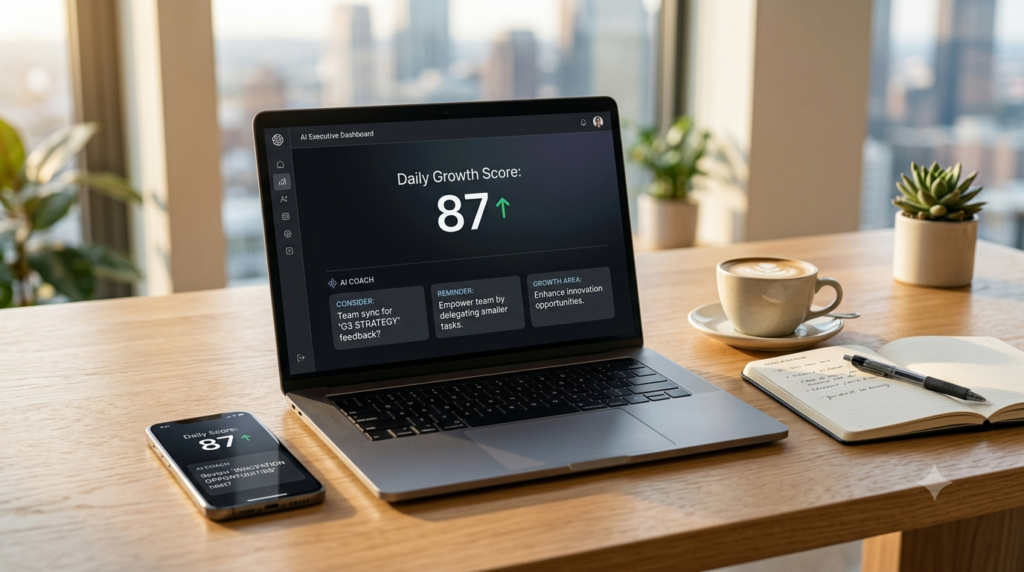
Strip away the marketing language, and an AI coaching tool is simply software that watches how you lead — your emails, your meeting habits, your delegation patterns — and gives you small, timely suggestions to do it better. Think of it as a leadership development assistant that never sleeps, never forgets your last conversation, and never charges by the hour.
Unlike a single workshop you attend once a year, an AI coaching platform works in the background of your actual workday. That’s the core difference, and it’s exactly why so many people now describe this whole category as the leadership tool of the week 2026 ai coaching companies keep recommending, rather than “just another training course.”
Typical features you’ll find across most AI leadership coaching platforms include:
- Real-time feedback on tone and clarity in emails or Slack messages
- Personalized leadership growth plans based on your role and goals
- Sentiment analysis during video calls and meetings
- Weekly summaries of management skills and behavioral trends
- Native integration with calendars, video conferencing, and messaging apps
None of this is science fiction anymore. It’s quietly running in the background at companies that decided coaching shouldn’t be a once-a-quarter event.
Why It Became the Leadership Tool of the Week 2026 AI Coaching Teams Trust
It’s worth asking: why now? Leadership coaching has existed for decades, so what changed?
A few things came together at once.
First, hybrid and remote work stretched managers thin. A leader overseeing a team spread across three time zones simply can’t get the same in-person mentorship a manager had ten years ago. AI coaching filled that gap by being available whenever the leader actually needed it — at 11 p.m. before a tough conversation, not just during a scheduled Tuesday session.
Second, decision-making got faster. Teams move quickly now, and waiting weeks for a coaching session to process a tricky situation just doesn’t work anymore. Leaders want guidance in the moment, not after the moment has already passed.
Third, and let’s be honest, budgets got tighter. Hiring a dedicated executive coach for every people manager in a growing company is expensive. An AI leadership coaching platform costs a fraction of that and can scale to hundreds of managers overnight.
Finally, there’s a cultural shift toward data-backed management. Companies don’t want to just “trust the process” anymore — they want dashboards, metrics, and proof that coaching investment is actually moving the needle on team engagement and retention.
Put those four forces together, and it’s easy to see why the leadership tool of the week 2026 ai coaching label kept showing up across so many LinkedIn posts, HR newsletters, and Slack channels this year.
A Realistic Look at How These Tools Work
Let’s walk through what actually happens when a manager signs up for one of these platforms, because the process is fairly consistent across most products on the market.
Step one: onboarding assessment. The tool asks about your current leadership style, your biggest challenges, and what you’re hoping to improve — delegation, difficult conversations, giving feedback, whatever it might be.
Step two: passive data collection. With permission, the platform starts observing patterns. How many meetings are on your calendar? How often do you interrupt in calls? Is your written feedback vague or specific? This isn’t spying — it’s pattern recognition, and most tools are upfront about what they track.
Step three: AI-generated insights. Using machine learning, the system flags recurring habits. Maybe you’re double-booking yourself constantly. Maybe your one-on-ones keep getting cancelled. Maybe your feedback emails read as harsher than you intend. The AI notices what a busy human might miss.
Step four: coaching nudges. Instead of a 500-word report nobody reads, you get short, practical prompts — “Try ending this email with a specific next step” or “You’ve cancelled three 1:1s this month, consider rescheduling instead.” Small, digestible, and actually useful.
Step five: progress tracking. Dashboards show growth over weeks and months, often tied directly to team engagement scores or 360-degree feedback results.
It’s not magic. It’s closer to a fitness tracker for your leadership habits — except instead of counting steps, it’s counting how well you’re showing up for your team.
Pros and Cons of AI Coaching Tools
No tool is perfect, and anyone selling you an AI coaching platform as a flawless solution isn’t being honest with you. Here’s the balanced picture.
Pros
- Available around the clock. Leaders get feedback exactly when they need it, not just during a scheduled session once a month.
- Genuinely cost-effective. Compared to hiring individual executive coaches, an AI coaching tool is significantly cheaper per person, especially at scale.
- Scales without extra hiring. Whether you have five managers or five hundred, the platform doesn’t need more staff to keep up.
- Consistent and less biased. Feedback comes from data patterns rather than a single coach’s mood or personal preferences that day.
- Easy to measure. Built-in analytics make it simple to show leadership growth in a way that satisfies both the manager and their own boss.
Cons
- Misses emotional nuance. An AI system can flag a pattern, but it can’t fully understand the emotional weight behind a difficult team situation the way an experienced human coach can.
- Privacy concerns are real. Monitoring emails, calendars, and meeting tone raises legitimate questions about trust, and companies need to be transparent about what’s being tracked.
- Risk of over-reliance. Some leaders start leaning on the prompts instead of building their own judgment, which defeats the purpose long term.
- Adoption takes time. Teams need a few weeks to actually trust the tool and use it consistently rather than ignoring the notifications.
- Not a full replacement. Deep interpersonal conflict, career transitions, or serious performance issues still need a human in the room.

Leadership Tool of the Week 2026 AI Coaching vs Traditional Coaching: Comparison Table
| Feature | AI Coaching Tool | Traditional Human Coaching |
|---|---|---|
| Availability | 24/7, real-time feedback | Scheduled sessions only |
| Cost | Low to moderate, scales easily | High, priced per executive |
| Personalization | Data-driven, pattern-based | Deep, built on lived experience |
| Emotional intelligence | Limited | High |
| Scalability | Easy across large teams | Difficult, depends on coach availability |
| Consistency | Very high | Varies by individual coach |
| Best suited for | Daily habits, quick feedback loops | Complex conflict, deep career coaching |
Neither column is “better” across the board — they solve different problems. That’s why the smartest companies in 2026 aren’t choosing one over the other; they’re combining both.
How to Choose the Right AI Leadership Coaching Platform
If you’re comparing management coaching software, executive AI assistants, or leadership development platforms, here’s what actually matters when you’re evaluating options rather than just watching a demo video.
- Integration first. Does it plug into the tools your team already uses — Slack, Outlook, Zoom, Google Calendar? A tool that requires a whole new workflow rarely gets adopted.
- Data security, seriously. Ask about compliance certifications, encryption, and exactly how long employee data is stored. This isn’t a box to check quietly; it’s a conversation your legal and HR teams should be part of.
- Customization by level. A first-time team lead and a VP need very different coaching. Make sure the platform adjusts rather than giving everyone the same generic advice.
- Useful, not just pretty, reporting. Dashboards should tell HR something actionable, not just look nice in a slide deck.
- A human backup option. The best platforms let leaders escalate to a real coach when a situation genuinely calls for one.
A Quick Case Study: Rolling Out the Leadership Tool of the Week 2026 AI Coaching Pick
Picture a mid-sized software company with around 40 people managers spread across engineering, sales, and customer support. Before rolling out any new platform, their VP of People ran a six-week pilot with just eight managers, chosen from different departments and experience levels.
In week one, adoption was slow. A couple of managers ignored the daily prompts entirely, treating them as background noise. By week three, something shifted. One engineering lead mentioned in a check-in that the tool had flagged a pattern he genuinely hadn’t noticed: he was consistently interrupting quieter team members during standups. Once he saw it written out, he changed the habit within days.

By the end of the pilot, five of the eight managers said they wanted to keep using it, two were neutral, and one preferred sticking with quarterly reviews from their manager instead. That’s a realistic outcome, and it’s worth mentioning because it’s rarely a unanimous win. The company expanded the rollout gradually, department by department, rather than forcing it on everyone at once — and that pacing made a noticeable difference in how well it stuck.
The lesson here isn’t that every leader will love this kind of support immediately. It’s that giving people time, choice, and a clear explanation of what’s being tracked tends to matter more than the technology itself.
Common Mistakes Companies Make When Adopting Leadership Coaching Software
A few patterns show up again and again when companies roll out their leadership tool of the week 2026 ai coaching pick badly.
The biggest one is treating it as a replacement for management training entirely, rather than a supplement to it. The tool works best alongside existing leadership programs, not instead of them.
Another common mistake is rolling it out to the entire company at once without a pilot group. Starting with one or two teams lets you catch adoption issues early, before frustration spreads company-wide.
Some companies also skip the transparency conversation. If employees find out later that a tool was silently analyzing meeting tone or email sentiment, trust takes a hit that’s hard to rebuild. Being upfront from day one avoids that entirely.
What’s Next for AI Coaching in Leadership Development
Looking ahead, expect these platforms to get better at understanding context, not just patterns. Right now, most tools are strong at spotting “you cancelled three meetings” but weaker at understanding “you cancelled three meetings because your team was dealing with a crisis.” Closing that gap is where the next wave of development is heading.
We’re also likely to see tighter integration with performance review cycles, so the coaching a leader receives throughout the year naturally feeds into their formal evaluation, instead of living in a separate app nobody checks in December.
FAQs
Q1. What is the best leadership tool of the week 2026 ai coaching option? There’s no single winner here — it really depends on your team size, budget, and whether you need lightweight daily nudges or deeper executive-level coaching. The smart move is to run a short trial with two or three platforms before committing to one.
Q2. Can AI coaching replace a human executive coach? Not entirely, and it probably shouldn’t try to. AI coaching tools are excellent for daily habits and quick, consistent feedback, but complex emotional or interpersonal situations still benefit from a real human in the conversation.
Q3. Is AI leadership coaching software expensive? Generally, no. Most platforms charge per user, per month, which usually works out far cheaper than hiring individual executive coaches, especially once you’re coaching more than a handful of managers.
Q4. Is my data safe with an AI coaching tool? It depends entirely on the vendor. Always read the data privacy policy carefully, especially around how communication is monitored and how long that data is stored before you roll it out to your team.
Q5. How long before I see real results from AI coaching? Most users notice small improvements in communication and delegation within four to eight weeks of consistent use. Deeper behavioral change, like becoming a genuinely better listener, tends to take a few months of steady practice.
Q6. Is this trend actually going to last, or is it a passing fad? Given how much hybrid work and fast decision-making are here to stay, it’s likely that the leadership tool of the week 2026 ai coaching category sticks around in some form — though the tools themselves will keep evolving quickly.

Conclusion
The leadership tool of the week 2026 ai coaching trend isn’t just another headline for HR teams to skim past on LinkedIn. It’s a genuine response to a real problem: leaders today need continuous, affordable, and honest feedback, not just a single workshop once a year. These platforms won’t replace the depth and empathy a skilled human coach brings to a tough conversation, and they were never meant to. But as a daily companion that helps leaders catch their own blind spots, delegate better, and communicate more clearly, this leadership tool of the week 2026 ai coaching pick earns its place in any modern leadership development strategy.
If you’re deciding whether to bring one into your organization, the honest answer is this: start small, be transparent with your team about what’s being tracked, and treat it as one part of a bigger leadership development picture — not the whole solution. Do that, and there’s a good chance the leadership tool of the week 2026 ai coaching pick you choose today becomes a tool your managers are still using, and actually valuing, a year from now.
