
A few years ago, running a successful ad campaign mostly came down to instinct, a bit of luck, and a lot of trial and error. Today, that’s changed. Brands no longer have to fly blind, because there’s now a smarter way to plan campaigns — it’s called digital ad intelligence.
If you’ve been hearing this term more often lately, you’re in the right place. This article covers what it actually means, how it works, a detailed tool comparison, honest pros and cons, common mistakes, and a set of FAQs to clear up any confusion.
What Is Digital Ad Intelligence, Really?
Let’s start with the basics. Digital ad intelligence refers to the practice of collecting, analyzing, and acting on data related to online advertising — both your own and, more importantly, your competitors’. It’s essentially a form of competitor ad analysis combined with ongoing ad spend tracking. Instead of guessing what’s working in your industry, you actually get to see it. You can look at which ads are running, how long they’ve been active, what kind of messaging they use, and even get a rough sense of the audience they’re targeting.
Think of it like having a window into your competitor’s marketing playbook. You’re not stealing their strategy — you’re learning from publicly available data that platforms themselves choose to make transparent. Facebook, Google, TikTok, and LinkedIn all provide some level of ad transparency now, largely due to regulatory pressure and a general push toward accountability in digital advertising. These platforms simply organize this scattered information into something usable, so you’re not stuck manually screenshotting competitor ads at midnight (we’ve all been there). This is really the raw material that most Digital Ad Intelligence platforms build on.
So, in short, this kind of Digital Ad Intelligence tracking gives you:
Visibility into competitor ad campaigns across platforms
Insight into messaging, creative style, and offers being used
An idea of audience targeting and demographics
A sense of how long an ad has been running (which often signals performance)
Historical data to identify long-term trends in your niche
None of this Digital Ad Intelligence process is about copying anyone. It’s about understanding the landscape you’re operating in, the same way a football coach studies the opposing team’s previous matches before a big game. The coach isn’t copying the other team’s playbook — they’re just refusing to walk into the match unprepared. That’s basically the mindset here.
A lot of marketers I’ve spoken to describe their first real look at a competitor’s ad account as a bit of a “wait, that’s it?” moment. It’s not glamorous. It’s just organized information — but organized information is exactly what’s been missing from a lot of marketing decisions for years.
Why Has This Become So Important Right Now?
A decade ago, digital advertising was still relatively young. There weren’t as many players in most niches, and competition wasn’t as intense. Fast forward to today, and nearly every business — big or small — is running some form of paid advertising. Ad costs have gone up, algorithms have gotten more complex, and audiences have become harder to impress. This is exactly the gap that Digital Ad Intelligence now fills.
In this kind of environment, flying blind is expensive. Every wasted rupee, dollar, or euro on an underperforming ad is money that could have gone toward something that actually converts. This is exactly why Digital Ad Intelligence has moved from being a “nice to have” to something closer to a necessity, especially for teams that manage serious ad budgets and can’t afford to burn cash on hunches.
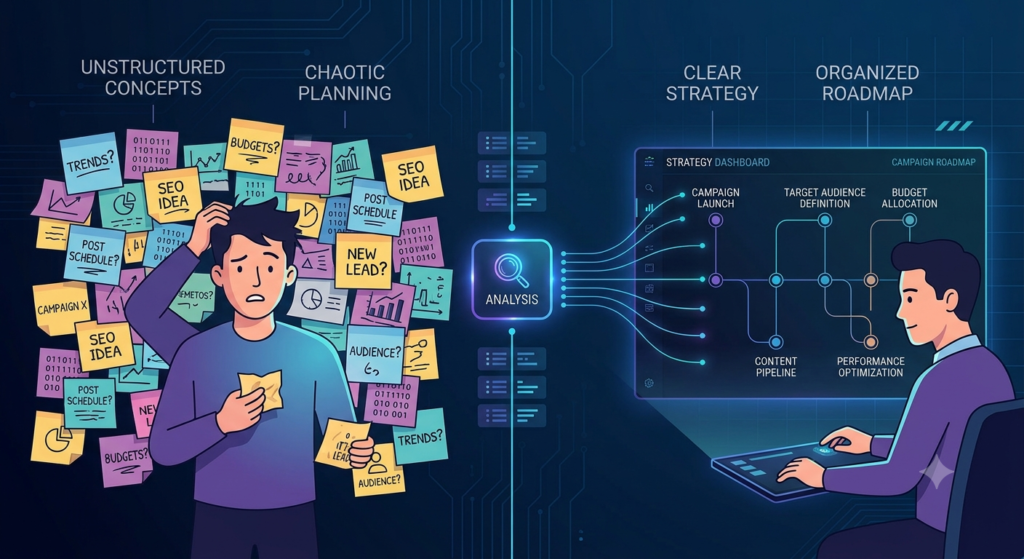
There’s also a psychological angle here that doesn’t get talked about enough. Marketing teams often feel isolated — they’re making big decisions without knowing if their approach even makes sense compared to others in the space. It’s a lonely feeling, honestly, hitting “publish” on a campaign and just hoping. This kind of Digital Ad Intelligence visibility removes some of that uncertainty. It doesn’t replace creativity or strategy, but it gives you a reference point, a kind of reality check before you commit budget to an idea.
Think about it this way: would you rather negotiate a salary without knowing the industry average, or walk in with a clear benchmark? Most people would choose the second option every single time. The same logic applies here — having a benchmark doesn’t guarantee a win, but it removes a lot of the unnecessary risk.
How Does Digital Ad Intelligence Actually Work?
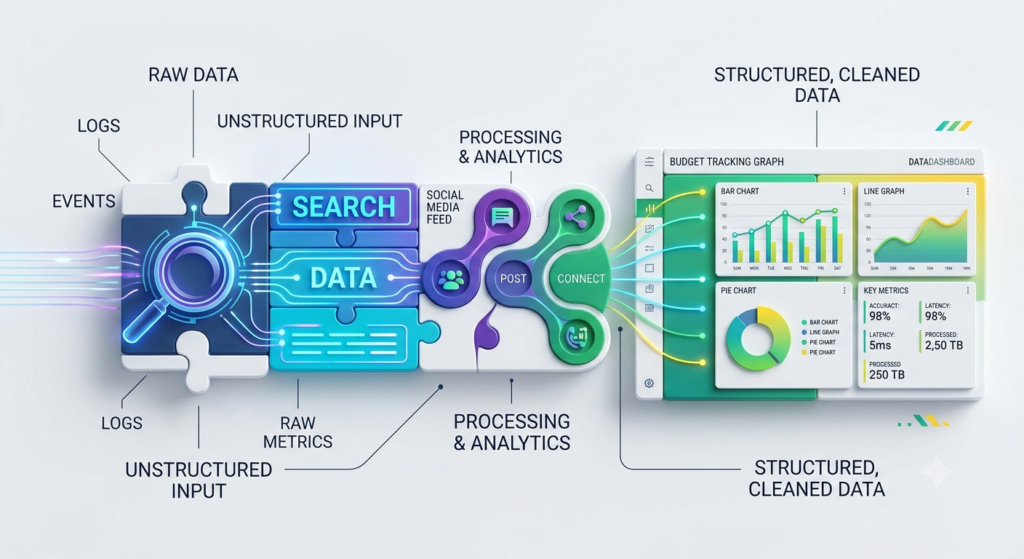
This is where things get a little technical, but I’ll keep it simple. Most Digital Ad Intelligence platforms work using a mix of the following:
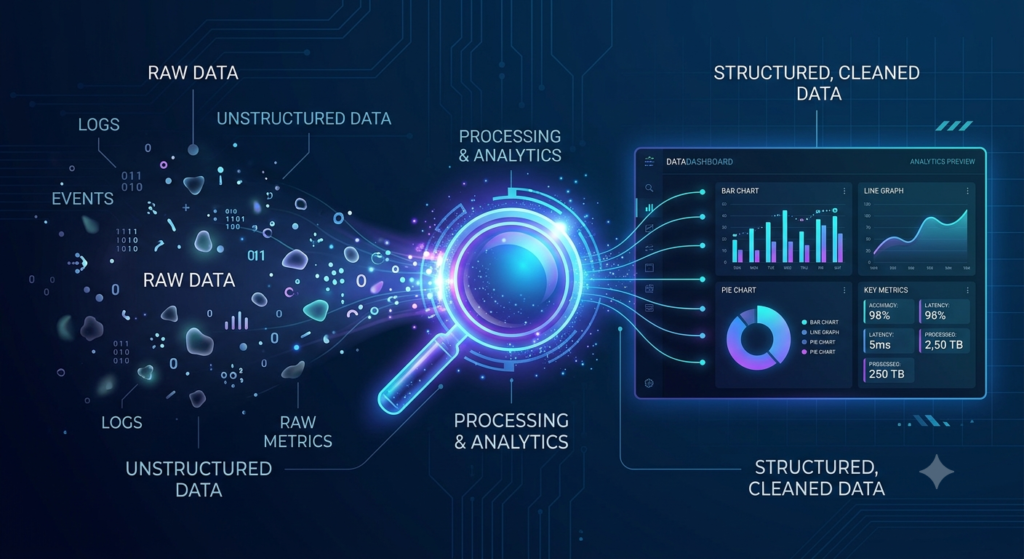
- Public ad transparency data Platforms like Meta and Google now legally require advertisers to disclose certain information about active ads. Digital Ad Intelligence tools pull this data directly through official APIs or transparency libraries.
- Web scraping and crawling Some tools crawl publicly accessible pages, landing pages, and ad networks to identify patterns that aren’t always available through official channels.
- Machine learning and pattern recognition Once the raw data is collected, algorithms sort it, categorize it, and identify patterns — for example, which types of headlines are being used more frequently, or which color schemes tend to appear in high-performing creatives. This is essentially where ad performance benchmarking happens behind the scenes.
- Dashboard visualization All of this data eventually gets presented to you in a clean, digestible dashboard where you can filter by industry, platform, ad format, or even specific competitor names. Many of these dashboards double as a broader Digital Ad Intelligence platform, pulling in social media ad tracking alongside search and display data.
The beauty of this Digital Ad Intelligence system is that it turns what would otherwise be hours of manual research into a five-minute dashboard review. That alone is a huge time saver for marketing teams juggling multiple clients or product lines.
I remember talking to a small agency owner who used to spend an entire Friday afternoon manually checking competitor pages, taking screenshots, and pasting them into a shared spreadsheet for the team. It wasn’t efficient, and honestly, it wasn’t much fun either. Once they switched to a proper tracking dashboard, that entire Friday ritual turned into a fifteen-minute Monday morning check-in. Small change, big difference in how the whole week felt.
Digital Ad Intelligence vs Traditional Market Research
It’s worth pausing here to draw a clear line between Digital Ad Intelligence and older-school market research methods. Traditional research usually involves surveys, focus groups, and long reporting cycles that can take weeks or even months to produce actionable insights. It’s valuable, no doubt, but it’s slow by nature.
This newer Digital Ad Intelligence approach flips that timeline. Instead of asking people what they think they’ll respond to, you’re looking at what’s already happening in the market — live campaigns, real creative choices, actual audience targeting. It’s less about opinion and more about observed behavior, which is why many teams now treat it as a core piece of programmatic advertising insights rather than a side activity. That doesn’t mean traditional research is obsolete; the two actually complement each other quite well. Surveys tell you why people feel a certain way, while ad tracking tells you what competitors are actually doing about it.
Related Concepts Worth Knowing
By now you’ve probably noticed a few recurring ideas throughout this article — competitor ad analysis, ad spend tracking, ad performance benchmarking, social media ad tracking, and programmatic advertising insights. These aren’t separate tools or trends; they’re all different angles of the same Digital Ad Intelligence practice. A few other related terms worth keeping in mind as you explore this space:
PPC intelligence tools
Ad monitoring software
Ad creative research
Digital advertising analytics
Ad transparency reports
Competitive marketing research
Knowing these terms helps when you’re comparing Digital Ad Intelligence platforms, since different tools tend to specialize in one or two of these areas rather than covering everything equally well.
A Detailed Comparison of Ad Intelligence Tools
There’s no shortage of tools in this space, and picking the right one depends heavily on your budget, your industry, and what exactly you’re trying to achieve. Below is a comparison of some of the most commonly used platforms.
Tool Name Best For Key Feature Pricing Level SEMrush Ad Intelligence Combined SEO and ad research Competitor keyword and ad copy tracking Mid to High SpyFu PPC-focused competitor research Historical ad and keyword data Mid Adbeat Large-scale, high-volume ad tracking Publisher-level placement insights High Meta Ad Library Free social media ad research Full transparency on Facebook and Instagram ads Free Google Ads Transparency Center Google ecosystem ad visibility Free access to currently running ads Free BigSpy Multi-platform ad discovery Wide coverage across several ad networks Free to Low Anstrex Native and push ad tracking Focus on niche ad formats Mid
A quick note here — free tools like the Meta Ad Library and Google Ads Transparency Center are genuinely useful starting points, especially if you’re just testing the waters. Paid tools become more valuable once you need deeper historical data, filtering options, or bulk export capabilities for larger teams.
Pros and Cons of Using This Approach
Nothing is perfect, and it’s important to go in with realistic expectations. Here’s an honest breakdown, without the usual marketing gloss you find on most tool websites.
Pros
Clearer competitive visibility — you’re no longer guessing what your competitors are doing; you can actually see it.
Smarter budget allocation — instead of spreading your budget thin across untested ideas, you can prioritize approaches that have shown some traction elsewhere.
Faster creative ideation — seeing a variety of ad formats and messaging styles often sparks fresh ideas for your own campaigns.
Reduced trial-and-error costs — you skip some of the expensive guesswork that used to eat into ad budgets.
Better long-term strategy — tracking trends over months (not just days) helps you notice shifts in your industry before they become obvious to everyone else.
Cons
Cost of premium tools — some of the more advanced platforms come with a price tag that’s hard to justify for smaller businesses.
Data isn’t always perfectly real-time — there can be a lag between when an ad goes live and when it appears in these tools.
Doesn’t replace creativity — data alone won’t make an ad successful; execution and originality still matter enormously.
Learning curve — some of these dashboards can be overwhelming at first, especially for teams that aren’t used to working with large datasets.
Risk of over-reliance — it’s easy to fall into the trap of copying what “seems to be working” instead of building something genuinely original for your brand.
None of these downsides are dealbreakers, to be honest. They’re just things to keep in mind so you go in with realistic expectations instead of assuming a dashboard alone will fix a struggling campaign overnight.
Common Mistakes Marketers Make With Ad Intelligence Data
Having access to Digital Ad Intelligence data is one thing. Using it wisely is a completely different skill. Here are a few mistakes that show up often, even among experienced marketers.
Mistake 1: Copying instead of learning Seeing a competitor’s ad perform well doesn’t mean copying it word-for-word will work for you. Audiences, brand voice, and positioning all matter. Use the data as inspiration, not a template.
Mistake 2: Ignoring context An ad that’s been running for three months might be doing well — or the brand might just have a large budget and isn’t optimizing at all. Always dig a little deeper before drawing conclusions.
Mistake 3: Focusing only on big competitors Sometimes smaller, niche competitors offer more relevant insights than the industry giants, simply because their audience and budget size are closer to yours.
Mistake 4: Treating this as a one-time task This isn’t something you check once and forget. Markets shift, trends change, and what worked last quarter might already be outdated.
Mistake 5: Not sharing insights across the team It’s surprising how often one person on a marketing team discovers a useful trend and never passes it along to the designers or copywriters who could actually act on it. Insights only create value when they reach the people making the creative decisions.
How to Choose the Right Ad Intelligence Tool for Your Business
Given how many Digital Ad Intelligence options are available, choosing the right platform can feel overwhelming. Here’s a simple way to narrow it down:
Define your goal first. Are you looking for competitor research, ad spend estimation, or creative inspiration? Different tools specialize in different areas.
Check platform coverage. Make sure the tool covers the platforms where your competitors are actually advertising — there’s no point in a tool that’s strong on Google Ads if your niche lives on TikTok.
Start with free tools. Before committing to a paid subscription, test what free resources like the Meta Ad Library can offer. You might find they cover most of your immediate needs.
Consider your team’s technical comfort. Some tools have steep learning curves. If your team isn’t data-savvy, prioritize platforms with simpler, more visual dashboards.
Factor in scalability. If you’re planning to grow your ad spend significantly in the coming months, choose a tool that can scale with you rather than one you’ll outgrow in a few weeks.
Real-World Impact: Why This Actually Matters for Growth
It’s easy to treat digital ad intelligence as just another marketing buzzword, but the practical impact on businesses is very real. Teams that consistently monitor their competitive landscape — often by reviewing ad transparency reports on a regular schedule — tend to spot shifts earlier: a sudden move toward video ads, a new offer structure, or a seasonal messaging trend. Catching these shifts early means you can adapt your own strategy before your competitors gain too much of a head start.
There’s also a confidence factor that’s often overlooked. Marketing decisions can feel like a gamble, especially for smaller teams without huge budgets to test ideas freely. Having access to reliable Digital Ad Intelligence data gives decision-makers something concrete to point to when justifying a strategic shift, rather than relying purely on gut feeling.
FAQs
Q1: What’s the difference between digital ad intelligence and simple ad tracking? Ad tracking usually focuses only on your own campaign performance — clicks, impressions, conversions. This approach goes a step further by analyzing the broader market, including what competitors are doing.
Q2: Is digital ad intelligence only useful for large companies? Not at all. Small businesses can benefit just as much, especially by using free tools like the Meta Ad Library or Google Ads Transparency Center to keep an eye on local or niche competitors.
Q3: Are these tools legal to use? Yes. Reputable tools in this space rely on publicly available data that platforms disclose for transparency purposes. There’s nothing shady or unethical about using this information responsibly.
Q4: How often should I check competitor ad data? A monthly review is generally a good baseline, though it’s worth checking more frequently if you’re actively planning a new campaign or entering a new market.
Q5: Can digital ad intelligence help with SEO as well? Indirectly, yes. Some platforms combine ad data with keyword and search trend data, giving you a more complete view of both paid and organic strategies in your industry.
Q6: Does using ad intelligence tools guarantee better ad performance? No tool can guarantee results. Digital ad intelligence gives you better information to make decisions, but execution, creativity, and audience understanding still play a huge role in actual performance.
Q7: What’s the biggest mistake beginners make with these tools? Treating the data as a shortcut rather than a starting point. The real value comes from interpreting the data thoughtfully, not blindly copying whatever seems popular.
Q8: How long does it take to see value from this kind of tracking? Most teams start noticing useful patterns within the first two to three weeks, simply because they finally have a consistent reference point to compare their own performance against.

Final Thoughts
Digital ad intelligence isn’t some passing trend — it’s quietly become one of the most practical tools in a modern marketer’s toolkit. The businesses that are thriving right now aren’t necessarily the ones with the biggest budgets; they’re the ones making informed decisions based on what’s actually happening in their market, rather than relying on guesswork alone.
If you’re just starting out, don’t feel like you need to invest in the most expensive platform right away. Begin with the free options, get comfortable analyzing the data, and gradually move toward more advanced tools as your needs grow. The goal isn’t to copy what others are doing — it’s to understand the landscape well enough that your own strategy becomes sharper, more confident, and more effective over time.
At the end of the day, this whole Digital Ad Intelligence practice is simply about replacing assumptions with evidence. And in a space as competitive and fast-moving as digital advertising, that shift alone can make all the difference between a campaign that struggles and one that genuinely takes off.
So the next time you’re about to launch a campaign purely on a hunch, pause for a moment. Take fifteen minutes, pull up a free ad transparency tool, and just look around. You might be surprised at how much clearer your next move becomes once you actually know what’s happening around you — not just inside your own account, but across the wider market you’re competing in.
