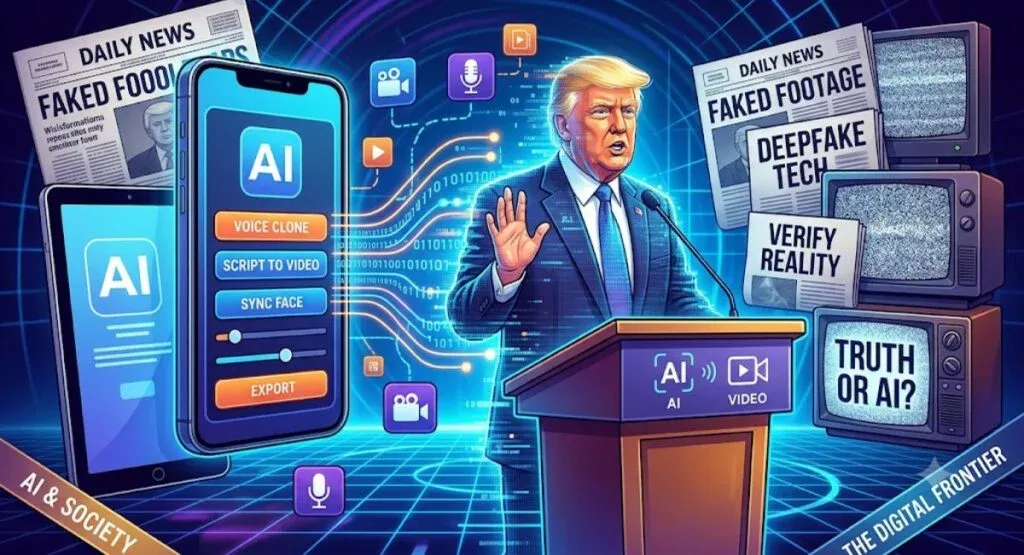
Chances are you’ve seen a video online that made you do a double-take — a familiar political figure saying something oddly out of character, in a voice that sounds eerily real. Most of the time, it wasn’t real. It was made with a Donald Trump AI video generator, and this guide breaks down how these tools work, which ones are worth trying, and what to watch out for before you create or share one yourself.
What Is a Donald Trump AI Video Generator?
At its core, this is any AI-powered platform that lets someone create video content featuring an AI-generated likeness, cloned voice, or animated avatar resembling a specific person — in this case, Trump. These tools rely on a mix of deepfake technology, text-to-speech synthesis, voice cloning, and generative video models to stitch together footage that looks, and sounds, surprisingly convincing A Donald Trump AI video generator allows users to create realistic AI-generated videos using synthetic voices, avatars, and advanced deepfake technology.
There isn’t one single official app that does this. Instead, people combine general-purpose AI avatar tools, voice cloning software, and video editors to get the result they’re after. The label just describes the use case, not a single branded product.
People turn to this kind of AI video tool for a handful of reasons: comedy sketches, political satire, meme content for TikTok or YouTube Shorts, and even classroom demonstrations on how synthetic media works. It’s become a popular corner of the AI content world simply because the demand for topical, shareable political humor never really slows down.
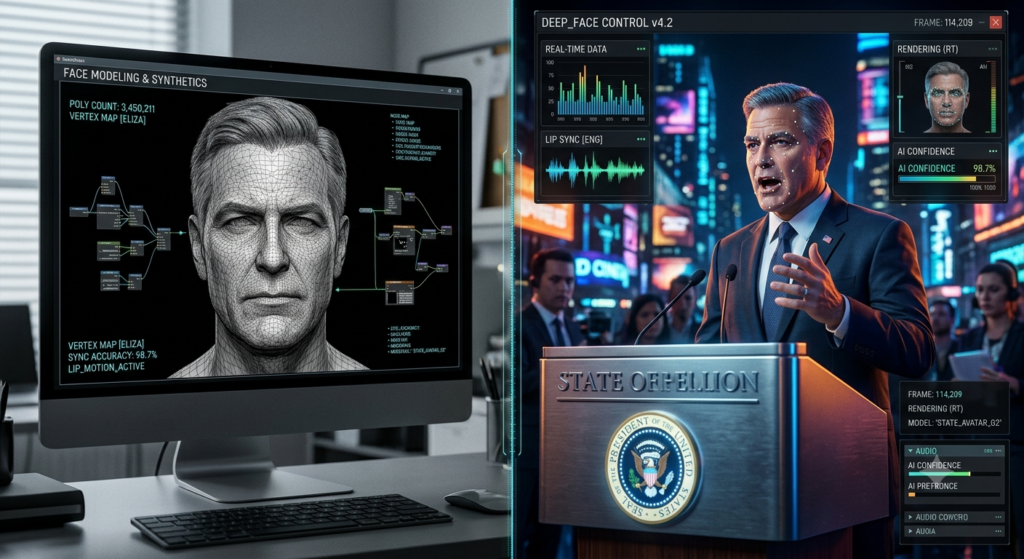
How Does This Technology Actually Work?
I’ll be honest — the first time I watched one of these videos, I assumed it took a small production team to pull off. It didn’t. Here’s roughly what happens behind the scenes when you generate a clip like this.
Most modern Donald Trump AI video generator tools combine text-to-video AI, voice cloning, and facial animation technologies.
Step 1: Script or Prompt Input
You type in a script, or in some newer tools, simply describe the scene you want in plain language. The model interprets your text and starts planning the shots, pacing, and dialogue. This is one of the first stages used by a Donald Trump AI video generator to create realistic video output.
Step 2: Face and Voice Modeling
This is where most of the heavy lifting happens. The system maps facial structure, expressions, and vocal tone using pre-trained deep learning models to build a digital likeness that moves and talks in a believable way. Advanced Donald Trump AI video generator platforms rely heavily on this technology to produce believable facial expressions and speech.
Step 3: Lip Sync and Animation
The generated audio gets matched to lip movement frame by frame, so mouth shapes line up with the words being “spoken.” The better platforms nail this almost perfectly; the cheaper, free ones can look a bit off — that slightly uncanny, not-quite-right feeling you sometimes notice. High-quality Donald Trump AI video generator tools are often judged by the accuracy of their lip-sync performance.
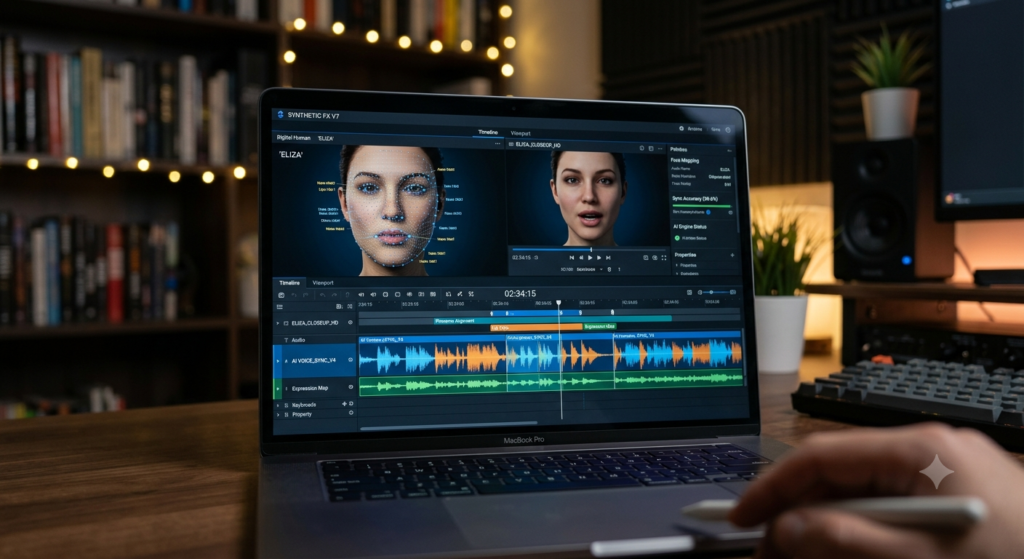
Step 4: Rendering and Export
Finally, everything gets compiled and rendered — usually in HD or 4K — and exported in a format ready for YouTube, Instagram Reels, or wherever it’s headed next. Most premium Donald Trump AI video generator services support HD and even 4K exports.
None of this requires a studio, a green screen, or professional editing skills. That’s exactly why the space has exploded — the barrier to entry has basically disappeared.
Top Donald Trump AI Video Generator Tools Compared
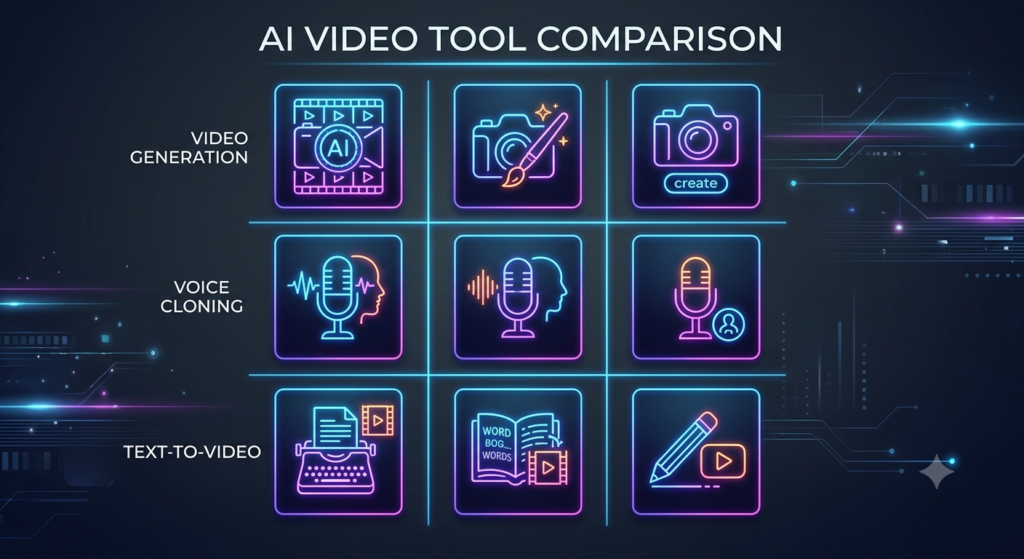
Choosing the right Donald Trump AI video generator depends on your goals, budget, and the type of content you want to create. As mentioned earlier, there’s no single “official” tool built specifically for this purpose. Most creators rely on general-purpose AI avatar and video platforms that can generate content for any character or public figure. Here’s a quick look at some of the more widely used options:
| Tool | Standout Feature | Free Plan | Learning Curve | Best For |
|---|---|---|---|---|
| Synthesia | AI avatars with realistic text-to-speech | Limited trial | Beginner-friendly | Presentation-style videos |
| HeyGen | Strong face and voice synchronization | Trial available | Moderate | Marketing and satire clips |
| D-ID | Turns a single photo into a talking video | Free credits | Very easy | Quick social media clips |
| Runway ML | Generative video editing and visual effects | Free tier | Moderate | Creative, artistic projects |
| Pika Labs | Prompt-based short video creation | Free (limited) | Easy | Short-form viral content |
A quick word of caution: most of these platforms explicitly restrict creating unauthorized likenesses of real public figures, especially political leaders. So even though a lot of people search for this kind of AI video generator by name, the tools themselves often nudge you toward fictional avatars, or they actively flag and remove content that violates their usage policies once it’s reported.
Why People Actually Use These Tools
Let’s not pretend there’s nothing valuable here — there clearly is, which is why this space keeps growing every quarter. Many creators use a Donald Trump AI video generator for satire, entertainment, educational demonstrations, and viral social media content.
- Speed: What used to take a full production crew now takes minutes, no camera or actor required.
- Affordability: A fraction of the cost of hiring talent, renting equipment, or booking studio time.
- Creative freedom: Great for satire, parody sketches, and comedic political commentary.
- Multilingual output: Many platforms can generate voice tracks in multiple languages almost instantly.
- Educational value: Genuinely useful for teaching people how deepfakes and generative AI actually work, which matters more every year as this content spreads.
- Quick iteration: Creators can test five or six versions of a script in the time it used to take to film one.
Where It Gets Risky
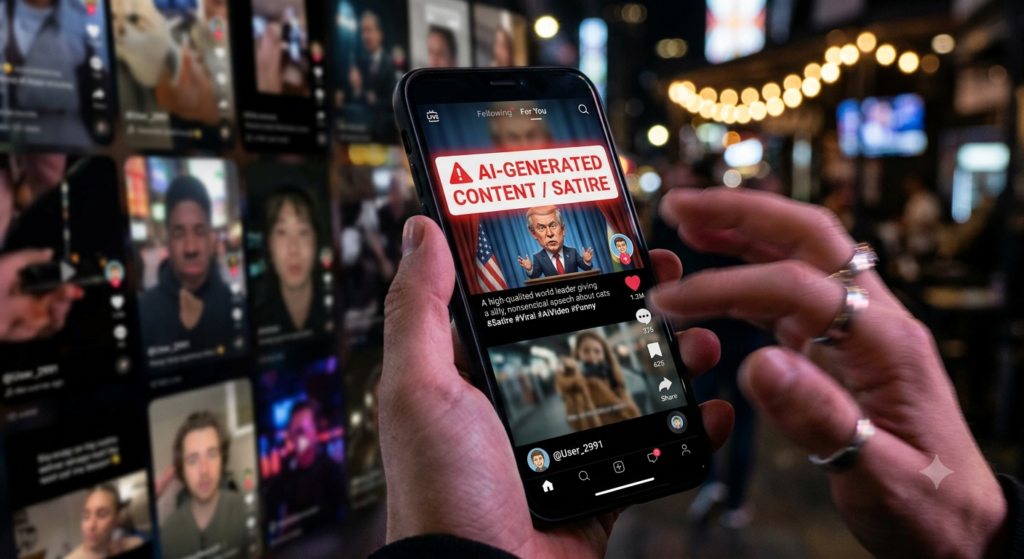
This is the part people tend to skip over, and honestly, it’s the more important half of the conversation.
While a Donald Trump AI video generator can be entertaining, misuse can lead to misinformation and platform policy violations.
- Misinformation risk: A convincing fake video can spread fast, and not everyone stops to check whether it’s real before sharing it further.
- Legal exposure: Using a real person’s likeness or voice without consent can cross into defamation or right-of-publicity territory, depending on where you live and how the content is used.
- Platform bans: YouTube, TikTok, and Meta all have policies against unlabeled synthetic media featuring real people, and political figures get extra scrutiny.
- Ethical gray areas: Even “just for fun” content can cause real harm if it’s mistaken for something genuine, especially during election periods.
- Inconsistent quality: Free versions of these tools often produce output that looks noticeably artificial, glitchy, or robotic around the mouth and eyes.
- Reputational fallout: Creators who post convincing fake political content sometimes face backlash even when their intent was purely comedic.
Using AI Video Tools Responsibly
If you’re going to experiment with this kind of technology, a little common sense goes a long way. None of this is complicated, but it’s easy to skip when you’re excited about a finished clip. Anyone using a Donald Trump AI video generator should clearly disclose that the content is AI-generated.
- Label your content clearly — “AI Generated,” “Parody,” or “Satire” should be visible in the video itself, not buried in a caption nobody reads.
- Never use synthetic media to spread false claims, fake quotes, or misleading news, even as a joke.
- Read the platform’s content policy before you post — most have specific rules around political deepfakes that are easy to miss.
- If you’re monetizing the content, check your local laws around publicity rights and defamation before you upload anything.
- Even in comedy, pause and ask yourself whether the clip could reasonably be mistaken for something real by someone scrolling quickly.
- Avoid using real audio clips of someone’s actual voice without disclosure — voice cloning carries its own separate legal risks.
Common Mistakes First-Time Creators Make
Even with beginner-friendly tools, it’s easy to fumble your first few attempts. Knowing the common pitfalls ahead of time can save you a lot of wasted credits and frustration.
New users of a Donald Trump AI video generator often make mistakes with long scripts, poor audio quality, and unrealistic prompts.
One of the biggest mistakes is overloading the script. People often try to cram a two-minute monologue into a single generation, which tends to produce awkward pauses, mismatched pacing, and lip sync that drifts out of sync toward the end. Shorter, tighter scripts almost always render cleaner.
Another common issue is ignoring audio quality. If you’re cloning a voice from a sample clip, background noise, echo, or low bitrate audio gets baked directly into the output. Spend a few extra minutes sourcing or cleaning your audio before you upload it — it makes a noticeable difference in the final result.
Lighting and camera angle in your reference photo matter more than people expect too, especially for photo-to-video tools. A front-facing, well-lit, neutral-expression image almost always produces a more natural-looking result than a candid shot taken at an angle or in dim lighting.
Finally, a lot of first-time creators skip previewing their clip at low resolution before committing to a full export. Most platforms let you do a quick, low-cost preview render. Use it. It’s a lot less frustrating to catch a glitch early than after you’ve already spent your monthly credits on a polished export.
A Quick Note on Where This Technology Is Headed
Generative video models are improving fast — faster, honestly, than most regulation can keep up with. What looked obviously fake eighteen months ago now passes a casual glance without much trouble. That’s pushing platforms and lawmakers to catch up, with several countries already drafting rules around mandatory labeling for AI-generated political content. If you’re creating this kind of material regularly, it’s worth keeping an eye on how those regulations evolve, because what’s allowed today might require disclosure or restrictions tomorrow.
Choosing the Right Tool for Your Project
Not every platform fits every project, so it helps to think about what you’re actually trying to make before you sign up for anything.
If you just want a quick, funny clip for a group chat or a personal social account, a lightweight tool like D-ID or Pika Labs is usually enough — you upload a photo or type a short prompt, wait a minute or two, and you’ve got something shareable. These tools are forgiving of mistakes and cheap to experiment with, which makes them a good starting point if you’ve never touched AI video software before. Selecting the best Donald Trump AI video generator depends on whether you need quick social content or professional-quality videos.
If you’re producing something more polished — a YouTube video, a branded skit, or content you plan to post regularly — it’s worth investing a bit more time in a platform like Synthesia or HeyGen. These tend to offer better voice control, cleaner rendering, and more consistent results across multiple clips, which matters if you’re building an audience that expects a certain look and feel from your channel.
Runway ML sits in a slightly different category. It’s less about plug-and-play avatar generation and more about giving you creative control over the entire video — camera movement, style transfer, scene composition. It has a steeper learning curve, but it rewards people willing to put in the time with results that feel more like an original production than a templated avatar clip.
A few practical tips regardless of which tool you pick:
- Start with a short script. Long, rambling prompts tend to produce awkward pacing and inconsistent lip sync.
- Render a low-resolution preview first before spending your credits on a full HD export — most platforms let you do this for free.
- Keep your source audio clean if you’re cloning a voice from a sample. Background noise gets baked into the output and is hard to remove later.
- Test on a smaller audience before posting broadly. A trusted friend can often spot an obvious flaw you missed after staring at the same clip for an hour.
Related Keywords Worth Knowing
Anyone researching a Donald Trump AI video generator will also come across several related AI video and deepfake technologies.If you’re researching this space further, you’ll likely run into these related terms: AI deepfake technology, text-to-video AI tools, AI avatar generator, voice cloning software, face swap video apps, political parody video maker, and realistic AI video maker online. They all overlap with what’s happening under the hood when someone builds this kind of content.
Frequently Asked Questions
Is it legal to use an AI video generator to create Trump-style content? It depends entirely on how the output is used. Parody and satire are generally protected in many countries, but using AI content to spread misinformation or damage someone’s reputation can lead to real legal trouble.
Are these tools free to use? Some are, at least partially. Platforms like D-ID and Pika Labs offer limited free credits, but you’ll usually need a paid plan for higher resolution, longer clips, or commercial use.
How realistic do these AI videos actually look? Pretty realistic, honestly. The better tools nail lip sync and facial expression almost flawlessly. That said, close inspection — especially around the eyes and edges of the face — can still reveal small glitches.
Is it safe to post this kind of content on social media? Only if you follow the platform’s rules. Most major platforms now require clear labeling of AI-generated or manipulated media, and unlabeled content risks removal or account restrictions.
What makes a Donald Trump AI video generator different from a regular AI video tool? Technically, nothing — it’s the same underlying software. The only difference is the specific likeness, voice sample, or prompt someone feeds into it to generate Trump-style content.
Do these tools only work for one specific public figure? Not at all. These are general-purpose AI video platforms — the search term just refers to how people are commonly using them, since certain political figures tend to be searched and parodied far more often than others.
Can I get in trouble for making a video like this just for fun? It’s possible, depending on the content and where it’s shared. Even jokes can trigger takedowns or complaints if the video is convincing enough to be mistaken for real footage.
Which is the best Donald Trump AI video generator?
The best Donald Trump AI video generator depends on your needs. Popular options include HeyGen, Synthesia, D-ID, and Runway ML.
Final Thoughts
A Donald Trump AI video generator makes it easier than ever to create realistic AI-powered video content. What used to require a studio, an actor, and a decent budget can now be done from a laptop in an afternoon. That’s genuinely impressive — and a little unsettling, depending on how it’s used.
The popularity of the Donald Trump AI video generator keyword reflects the growing interest in AI-powered political parody and synthetic media.
If you’re going to explore this technology, do it with your eyes open. Use the comparison table above to pick a tool that fits your needs, label your content honestly, and remember that just because something is easy to make doesn’t mean it’s free of consequences. Before publishing content created with a Donald Trump AI video generator, always follow ethical guidelines and platform policies. Used thoughtfully, this kind of AI video tool can be a genuinely fun creative outlet. Used carelessly, it can cause real problems — for you, and for the person whose face and voice you’re borrowing.
