
If you are searching for an AI image to video generator free NSFW, expect a more complicated answer than the search suggests. Most mainstream tools prohibit sexually explicit content, “free” access usually comes with limits, and some self-hosted models carry licences that restrict adult use. For more information about AI software, explore our guide to AI tools for content refinement. This guide explains how image-to-video AI works, what several major providers’ published policies say, and how US, UK, and EU rules apply to adult and deepfake content. It does not recommend adult platforms or explain how to bypass safety filters.
Quick Answer
- Is there a verified free, unrestricted option? This article could not verify one. Runway, Adobe Firefly, and Pika publish policies that restrict explicit content, and Stable Video Diffusion’s licence incorporates an acceptable use policy that restricts sexual content.
- What matters most legally? Consent. In the US, publishing non-consensual intimate deepfakes can be a federal crime. In England and Wales, creating, requesting, or sharing them can be a criminal offence. EU member states are still implementing a 2024 directive on non-consensual intimate material (deadline 14 June 2027). Details and exceptions vary.
- What should you check first? The tool’s current policy, its age verification, its privacy terms, and the law where you live.
What an AI Image to Video Generator Actually Does
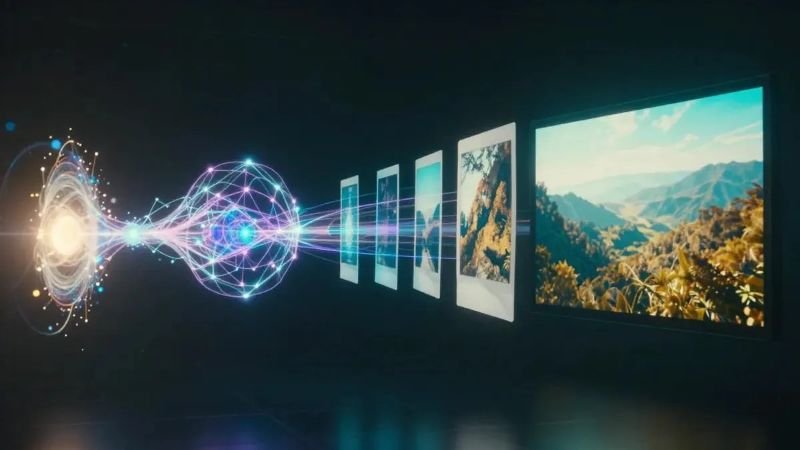
An AI image to video generator takes a still image and produces a short animated clip from it. The model predicts motion and generates frames that create the impression of movement. Results range from subtle camera shifts to character animation and lighting changes, depending on the tool.
The Core Technology Behind Image-to-Video Conversion
Most current image-to-video tools build on diffusion models, which learn to turn noise into images or video frames step by step. Many work in a compressed “latent” space to save computing power. Video versions add layers that keep motion consistent from frame to frame.
Stability AI’s Stable Video Diffusion (SVD) is one open example. Its licence is dated 21 November 2023, and its model card describes a model that takes a still image as a conditioning frame and generates a video from it.
When you upload an image, the tool encodes it, generates a sequence of frames conditioned on it, and assembles them into a video file.
How the Animation Process Works Step by Step
A simplified version of the pipeline:
- Feature extraction: The model identifies subjects, background layers, lighting, and depth.
- Motion generation: Patterns learned in training guide how different regions should move.
- Frame assembly: Frames are generated and smoothed into a clip.
A portrait may produce blinking or hair movement, and a landscape may produce drifting clouds or rippling water. Clip length, resolution, and free-tier limits differ by provider and change often, so check each provider’s pricing page (Runway, Pika) instead of relying on a general figure.
Why NSFW Capabilities Are Restricted on Most AI Video Platforms
Many mainstream providers prohibit sexually explicit content in their published policies. Child safety, consent, and legal risk are common themes. Here is what the official documents say:
- Runway: Its usage policy (last updated 6 March 2026) prohibits sexually explicit content, adult nudity, and attempts to create or modify non-consensual intimate imagery. It also limits some suggestive content. It states that inputs and outputs are checked by automated systems and human review.
- Adobe Firefly: Adobe’s Generative AI User Guidelines prohibit creating pornographic material or explicit nudity.
- Pika: Pika’s Terms of Service (last modified 4 August 2026) say it strives to be PG-13 and family-friendly. They also prohibit uploading pornographic content. Its Acceptable Use Policy (last updated 16 May 2025) bars non-consensual sexual deepfakes and sexual content involving minors. It also requires consent for photos of real people and prohibits uploading images of anyone who appears to be under 18.
Policies change, so read the current version before you upload anything.

What “NSFW” Actually Means in the Context of AI Content
NSFW stands for “Not Safe For Work,” a shorthand for content unsuitable for professional or public settings. In AI-generated video it usually means:
- Sexually explicit material
- Graphic nudity
- Adult-oriented imagery produced by generative models
It can also cover gore, extreme violence, and other categories that many policies prohibit.
People searching for an AI image to video generator free NSFW usually want a tool without content filters. Removing a hosted filter does not remove the rules. Model licences, platform terms, and local laws still apply, and this article does not cover bypassing any platform’s safeguards.
The Legal Landscape Around Adult AI Image to Video Generation
Law in this area is changing quickly and differs by country and, in the US, by state. This section summarises key points from official sources as of October 2026. Always check the current text and consult a qualified lawyer about your situation.
United States
- TAKE IT DOWN Act (federal): Signed on 19 May 2025, it criminalises knowingly publishing non-consensual intimate imagery, including AI-generated “digital forgeries” of identifiable people, subject to conditions in the statute. It also requires covered platforms to set up a notice-and-removal process. Under that process, platforms must remove reported content, and known identical copies, within 48 hours of a valid request. The FTC began enforcing the platform requirements on 19 May 2026.
- DEFIANCE Act (proposed): This bill would create a federal civil right to sue over sexually explicit deepfakes. S.1837 passed the Senate on 13 January 2026. When last checked, Congress.gov listed its latest action as “Held at the desk” in the House, so it is not law.
- State laws: Many states have their own deepfake laws, with different criminal and civil rules. Check the law in your state.
- Age verification: In Free Speech Coalition v. Paxton (27 June 2025), the Supreme Court held that Texas’s adult-site age-verification law is subject to intermediate scrutiny and upheld it. Other states’ laws vary.
United Kingdom
- Sharing: Section 188 of the Online Safety Act 2023 inserted section 66B into the Sexual Offences Act 2003. It covers sharing, or threatening to share, a photograph or film that shows or appears to show a person in an intimate state without consent. The 66B text is marked as applying in England and Wales.
- Creating or requesting: Section 138 of the Data (Use and Access) Act 2025 added offences of creating, or requesting the creation of, a “purported intimate image” of an adult without consent or a reasonable belief in consent. It came into force on 6 February 2026. Check the legislation page for exact wording and territorial extent.
- Age checks: Ofcom says that since 25 July 2025 all sites that allow pornography need “highly effective” age checks for UK users.
European Union
- Digital Services Act (DSA): This is a platform-regulation law. The Commission’s guidelines on protecting minors, published on 14 July 2025, recommend age verification for adult content such as pornography. The guidelines are the Commission’s reference point for assessing platforms, not a rulebook for every site.
- Non-consensual intimate content: Directive (EU) 2024/1385 criminalises non-consensual sharing of intimate or manipulated material. Member states have until 14 June 2027 to transpose it, so national laws differ today.
- AI Act transparency: According to the Commission, Article 50 transparency rules apply from 2 August 2026. They include disclosure duties for deepfakes and a grace period to December 2026 for marking obligations on generative systems already on the market. These are labelling duties. They do not make otherwise unlawful content lawful.
Consent and Representation: The Ethical Line
The central issue in adult AI video is consent. Animating an image of a real, identifiable person into sexual content without their documented consent is unethical. In some places it can also be a crime or the basis for a civil claim.
Providers say the same. Runway’s policy prohibits using another person’s image without permission, and Pika’s rules require consent for photos of real people. People sometimes assume that AI-generated content carries no harm or liability because no camera was involved. That assumption is unsafe.
Three related points matter:
- Minors: Sexual content involving minors, or people who appear to be minors, is illegal in many jurisdictions and prohibited by the providers cited above.
- Privacy: Uploading a photo sends it to someone else’s servers. Pika’s terms say it may use anonymised or aggregated inputs and outputs to train its models, and Runway says inputs and outputs may be reviewed. Read each provider’s privacy policy first.
- Copyright and licensing: You need the right to use the source image. Pika’s terms note that outputs might not qualify for copyright protection. Platform terms also set who may use outputs and for what purposes.
Age Verification on Adult Platforms
Whether a platform must verify age depends on where it operates and where its users are. The UK and EU examples above show regulators moving toward stronger age checks, and some US states have age-verification laws for adult sites. Methods vary. A platform offering adult content with no age check at all is a warning sign. Age checks also involve sensitive data, so look at how the provider stores and deletes it.
Tool Policies and Licences: What Is Confirmed
The table covers only what was confirmed in each provider’s own documents. It says nothing about free tiers, which this article does not verify.
| Provider | What the official documents say | Source |
|---|---|---|
| Runway | Prohibits sexually explicit content, adult nudity, and NCII. Limits some suggestive content. | Usage Policy |
| Adobe Firefly | Prohibits pornographic material and explicit nudity in its generative AI features. | Gen AI User Guidelines |
| Pika | Aims to be PG-13 and family-friendly. Prohibits pornographic uploads, non-consensual sexual deepfakes, and images of anyone who appears under 18. | Terms, AUP |
| Stable Video Diffusion (self-hosted) | The licence incorporates Stability AI’s Acceptable Use Policy. The current policy (effective 30 September 2026) prohibits NCII and content relating to sexual acts. | Licence, AUP |
Free-Plan Limits: What Is Verified
Free-plan terms change often, so this article states only what was confirmed on an official page. Runway’s pricing page lists a Free plan at $0 per month with 125 one-time credits, a selection of its models, and 5GB of asset storage. For Pika, the free-plan credit figures reported by different sources conflict, so no number is given here; check Pika’s pricing page. Adobe Firefly’s free limits were not checked. These are policy-compliant tools for general image-to-video work, not adult content tools.
Open-Source and Local Deployment
Running a model on your own hardware means no hosted moderation, but the licence still applies. Stability AI’s AUP says it covers self-hosting under its licences. The SVD licence incorporates the AUP “as may be updated from time to time,” and the AUP’s sexually explicit content section applies. SVD is therefore not a safe assumption for adult use, even on your own computer.
Other open models have their own licences, so read each one before use. Self-hosting also means technical setup, suitable hardware, and full legal responsibility for what you generate.
Dedicated Adult AI Platforms
Some platforms are built around adult AI content. This article does not assess or recommend any of them and has not confirmed whether any offers a genuinely free tier. Before using one, check:
- That it has an active age verification process
- That its terms explicitly prohibit non-consensual content and content involving minors
- That it publishes a clear takedown and abuse-reporting process
- That its privacy policy explains how uploaded images and outputs are stored
- That it states where it operates and which laws it follows
Platforms that skip these elements carry more risk for users.
How to Use an Adult AI Image to Video Tool Responsibly
- Only animate content you own or have explicit rights to use, such as original AI-generated images you created, artwork you have rights to, or content where every adult depicted has given documented permission.
- Never generate content featuring identifiable real people without their written consent, regardless of platform policy. This includes public figures and celebrities.
- Never create or upload sexual content involving minors or characters who appear underage.
- Check the law where you live before using any adult-content tool. Rules differ between US states, the UK nations, EU member states, and other countries.
- Prefer platforms with age verification and a clear privacy policy.
- Store and share generated content responsibly. Sharing non-consensual intimate imagery, including AI-generated imagery, can be a criminal offence under US federal law and under law in England and Wales, subject to each law’s conditions and exceptions.
Key Takeaways
- An AI image to video generator free NSFW search leads to three groups: mainstream tools that restrict adult content, self-hosted models with licence limits, and dedicated adult platforms that need age checks.
- Image-to-video tools typically use diffusion models to predict plausible motion from a still image.
- Runway, Adobe, and Pika publish policies that restrict sexually explicit or pornographic content.
- SVD’s licence incorporates an acceptable use policy that restricts sexual content, so running it locally does not make adult use permitted.
- The US TAKE IT DOWN Act, UK sexual offences law, and EU rules work differently. Check the one that applies to you.
- Consent is the key factor. Depending on where you are, creating, requesting, or sharing sexual deepfakes of a real person without consent can be a crime or give rise to civil claims.
Frequently Asked Questions
Is there a truly free AI image to video generator with no NSFW filter?
This article could not verify one. Models you run yourself avoid hosted filters, but their licences may still restrict adult use. For example, the Stable Video Diffusion licence incorporates an acceptable use policy that restricts sexual content. Hosted platforms that allow adult content typically use age verification, and this article cannot confirm any current free tier. Read a tool’s licence and terms first.
Is it legal to generate NSFW AI videos from images?
It depends on your jurisdiction, the platform’s terms, and the content. Adult content involving fictional adults or consenting adults is lawful in many places, though a platform or licence may still forbid it. Creating or sharing sexual deepfakes of real people without consent can be illegal or actionable, depending on the place. In England and Wales, creating or requesting an intimate deepfake of an adult without consent is an offence under section 138 of the Data (Use and Access) Act 2025. In the US, publishing one can violate the federal TAKE IT DOWN Act and state laws. Sexual content involving minors is unlawful in many jurisdictions. Check local law before generating or sharing.
What is the best AI image to video generator free NSFW option for someone without a powerful GPU?
This article cannot name a verified “best” option. Without a strong GPU, the practical route is a hosted platform, which handles the computing on its servers but applies its own content rules, limits, and data practices. Before uploading an image, check the platform’s age verification, consent and takedown policies, privacy terms, and jurisdiction. For non-adult animation, mainstream tools such as Runway offer image-to-video within their content policies.
Are there age restrictions for using NSFW AI generators?
Age requirements vary by platform and location, but adult-oriented AI services are generally intended for users who are 18 or older, or who have reached the legal age of adulthood where they live. Some services use age checks when users sign up or access restricted features. Anyone considering these tools should review the platform’s eligibility rules and the laws that apply in their area. Using a service below its minimum age may violate its terms and local regulations.
How do I avoid copyright issues with AI-generated adult content?
Before turning an image into a video, make sure you have permission to use it. Choose your own images, properly licensed photos, or visuals you’re authorized to work with. Avoid using someone else’s photographs or celebrity images without the necessary rights and consent. Keep records of licences and permissions where applicable. Another option is to create an original image with an AI image generator and use it as the starting point for your video.
Conclusion
An AI image to video generator free NSFW is easy to search for but hard to use safely. The mainstream tools covered here, Runway, Adobe Firefly, and Pika, publish policies that restrict explicit content. Self-hosting does not remove the rules either, because the Stable Video Diffusion licence incorporates an acceptable use policy that restricts sexual content. No verified free, unrestricted option was found, and any claim of one deserves scepticism.
The legal picture points the same way, though each region works differently. The US TAKE IT DOWN Act targets publishing and platform removal, England and Wales’s section 138 targets creating and requesting, and the EU’s 2024 directive on non-consensual intimate material is still being transposed into national law. Age-verification expectations are also rising in the UK and EU, and some US states have age-verification laws.
Before you upload an image, do four things: confirm you have the rights and consent, read the tool’s current policy and privacy terms, check that age verification is in place, and check the law where you live. If any of those fail, do not proceed. Policies and laws change quickly, so recheck the linked sources before relying on this guide.